Cold weather puts steady pressure on your heating system, and this can lead to winter HVAC mistakes that raise your energy bill. Many homeowners do not notice small issues until the system slows down or stops working. This often happens during the coldest days of the season.
The trouble often starts with simple habits. Dirty filters, blocked vents, and skipped checks make your system work harder than it should. These small oversights can shorten the life of the unit and make winter less comfortable. They also create stress during a season when heat matters most.
In this guide, you will learn why winter raises the risk of system problems, which mistakes to watch for, and how to prevent damage. You will also see steps that keep your home warm with less effort.
Why Winter Increases the Risk of HVAC Mistakes
Cold weather makes your HVAC system work longer hours, and this steady load raises the chance of small issues turning into bigger problems. When the temperature drops, the system runs more often to keep your home warm. This constant cycle can strain older parts, and even new systems feel the pressure when winter stays cold for several days. These conditions make it easier for small mistakes to affect your comfort.
Homes with older insulation or small gaps in the structure also face more challenges. Cold air moves into these weak areas and forces the system to work harder. Many families in Las Vegas deal with heating concerns during winter, since sudden drops in temperature put extra pressure on indoor systems. These households often rely on handymen and HVAC support in the area to handle repairs before problems grow.
Winter also limits the airflow around your home. Closed windows, blocked vents, and heavy use of indoor heat make it hard for the system to breathe. This reduced airflow leads to uneven temperatures and higher energy use. When the system cannot move air freely, it becomes more likely to develop winter HVAC mistakes that cost you time and money.
Common Winter HVAC Mistakes Homeowners Make
Many homeowners skip basic filter checks during cold months. A clogged filter blocks airflow and forces the system to work harder, which raises energy use. Dirty filters also lower indoor air quality and make the home feel less comfortable. When the airflow slows, the system takes longer to warm the house, and this creates avoidable winter HVAC mistakes that hurt both comfort and cost.
Closed or blocked vents also lead to problems. Some families close vents to save heat, but this harms airflow and puts extra strain on the system. When vents stay blocked, rooms heat unevenly, and the HVAC unit works longer than needed. Many homeowners like to learn more about the people behind the service when they look for help with uneven heating. Knowing who handles the work helps them feel safer during winter repairs.
Skipping routine checks is another common issue. Many systems run nonstop in winter, and small problems often grow without warning. Loose parts, weak insulation, or worn components increase the chance of system trouble. These problems grow faster in cold weather, and early care helps your system stay strong through the season.
Simple Steps to Avoid Costly HVAC Problems in Winter
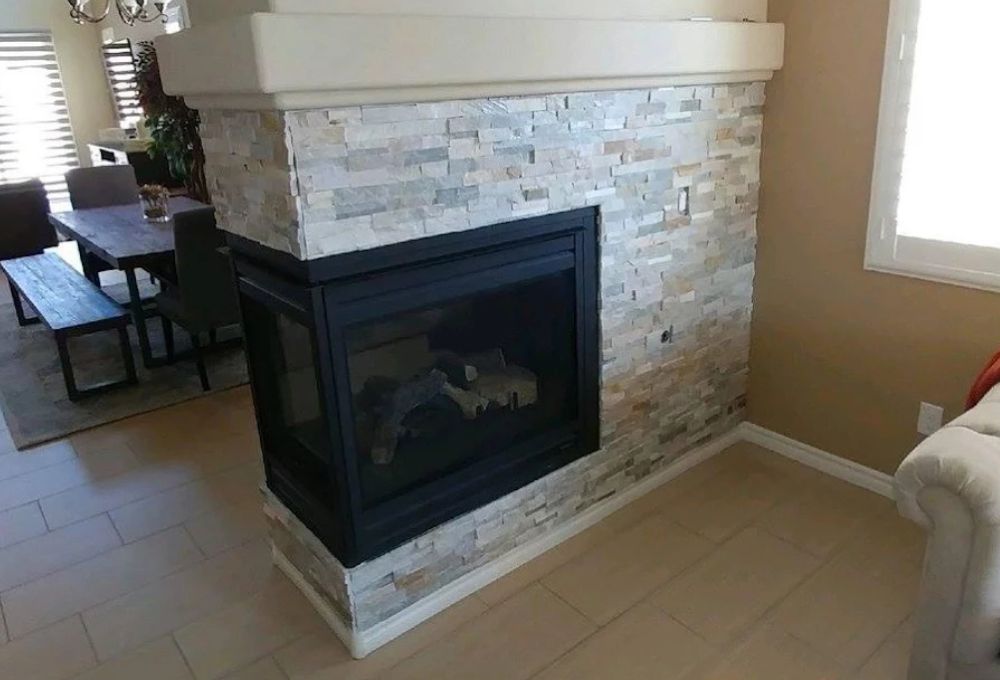
You can prevent many winter HVAC mistakes by keeping the system clean and clear. A simple filter change makes a big difference in airflow. Clean filters help the heat move through your home without strain. Many homeowners also check vents to be sure nothing blocks them. These small habits keep the system steady and lower energy use during cold months.
Insulation also plays a strong role. Warm air escapes through weak areas, and this forces the system to work harder. Sealing gaps and adding insulation in attics or outer walls helps the heat stay inside. Some families look at services that support home protection when planning upgrades. These steps help the system run with less stress and cut down on winter HVAC problems.
Regular checks also help keep your system safe. Watching for odd sounds, weak airflow, or uneven heat lets you act early. These small signs often appear before bigger issues form. When you stay alert, you handle problems before they grow, and this keeps your home warm with fewer surprises.
Cold weather puts steady pressure on your HVAC system, but simple steps can protect it. Clean filters, open vents, and solid insulation help the unit work with ease. These habits lower strain and reduce the chance of winter HVAC mistakes.
How Regular Care Helps Your System Work Better in Winter
Regular care helps your HVAC system stay strong during cold months. When each part works as it should, the system uses less energy and warms the home with less effort. Simple habits like checking airflow and keeping vents open support steady heat. These steps also help you avoid winter HVAC mistakes that raise your energy bill.
Seasonal checks also make a clear difference. Many systems run for long hours in winter, and small issues build up over time. Looking at filters, coils, and airflow paths helps you spot early signs of strain. Some homeowners study options for new systems when their unit shows signs of age. Knowing what fits your home helps you plan smart upgrades before winter pressure grows.
Regular care also protects comfort. When the system stays clean and clear, it warms the home faster and with better balance. This steady comfort helps you enjoy winter without sudden drops in temperature. Clear routines and simple checks support better heat and a longer system life.
Final Tips to Prevent Winter HVAC Mistakes
Winter puts steady pressure on your heating system, so clear habits help you stay ahead of common problems. You can reduce strain by keeping airflow open in every room. Simple steps like checking vents and watching for weak spots help your system work with ease. These habits lower the chance of winter HVAC mistakes that grow into bigger issues.
You can also plan long-term care for your home. Many families update insulation, seal gaps, or improve airflow before the cold sets in. These changes help the system stay strong when temperatures drop. When you plan, you protect comfort and avoid sudden problems during cold nights. These early steps make winter easier and help your system run with less effort.
If you want help avoiding winter HVAC mistakes, you can contact us today. Our team can guide you through the steps that protect your home during the season. With steady care and clear planning, you can keep your HVAC system strong and ready for winter.