A water heater leaking can create stress for any homeowner, especially in Las Vegas, where hard water and mineral buildup are common. Many families first notice small puddles under the tank or drops forming around pipes. These early signs may seem minor, but they can grow fast if ignored. A leak can damage floors, weaken walls, and raise energy use as the system struggles to keep up.
The problem grows when homeowners do not know if the leak needs a simple repair or a full replacement. Some leaks come from loose parts, while others start inside the tank itself. Knowing the difference helps you avoid bigger problems and saves you time and money. Clear steps can guide you through the process and help you make the right choice.
In this guide, you will learn why leaks happen, what signs to watch for, and how to know when to repair or replace your water heater.
Why Las Vegas Homes Often Experience Water Heater Leaking Issues
Las Vegas has hard water, and this plays a major role in early wear on water heaters. Minerals build up inside the tank over time, and this buildup creates pressure that leads to cracks or small leaks. When the tank works harder to heat water, strain increases and weak points form. These conditions make water heater leaks more common in older homes or homes that use a lot of hot water each day.
Temperature swings also affect how the system performs. Cool mornings followed by warm afternoons cause the tank to expand and contract. This daily cycle can weaken seals, joints, and valves. Small gaps begin to form, and leaks can appear without warning. Homes with older insulation or drafty spaces may notice leaks sooner because the system works harder to keep water warm.
Some families in Las Vegas turn to local handyman and HVAC support in the area when they see early signs of trouble. Quick checks help prevent bigger issues and keep the home safe. Early attention also helps you understand whether a repair will solve the problem or if the system is reaching the end of its life.
Common Causes of Water Heater Leaking and What They Mean
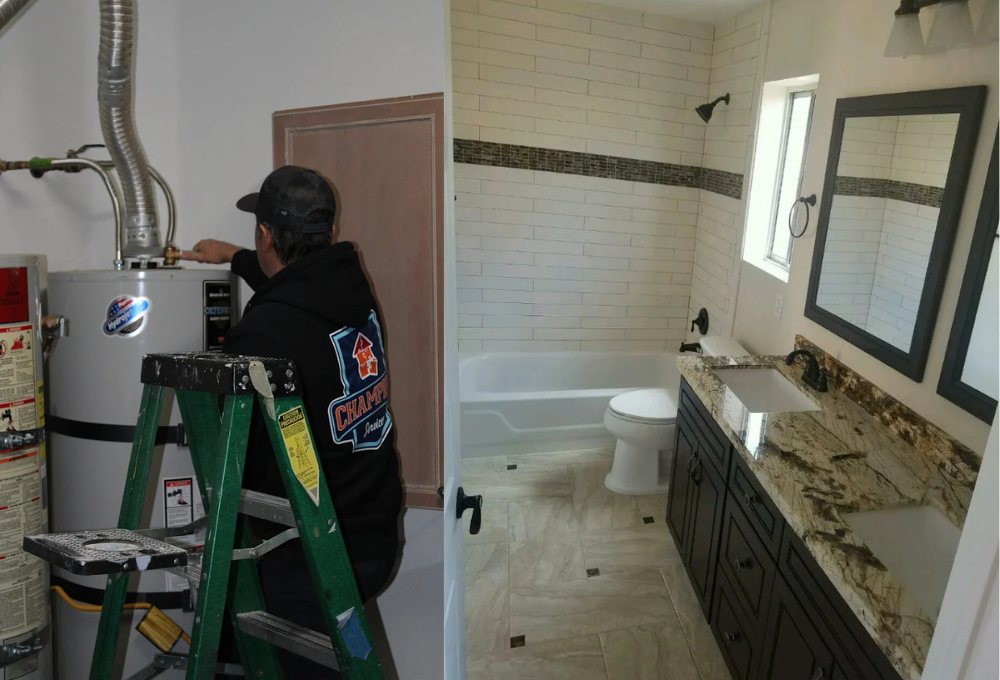
A water heater leaking can come from several sources, and each one points to a different problem. One common cause is a loose drain valve. This valve sits near the bottom of the tank and can loosen over time. When it does, small drips appear and form puddles on the floor. This issue is usually easy to fix, but it should never be ignored because a loose valve can grow into a larger leak.
Another cause is pressure inside the tank. When water heats up, it expands, and the tank must handle that pressure. If the pressure relief valve fails or the tank struggles to release steam, water may escape through weak areas. Some homeowners like to understand the people behind the service before choosing help for pressure concerns. Knowing who maintains the system gives them confidence when dealing with leaks.
Cracks inside the tank also lead to leaks. Hard water in Las Vegas speeds up corrosion, and this weakens the tank from the inside. When cracks form, repairs may not be enough to fix the issue. Internal damage often means the system is near the end of its life. Understanding these causes helps you know what steps to take when you see signs of trouble.
How to Tell if You Need Repairs or a Full Replacement
You can start by checking where the leak begins. A water heater leaking from the top often comes from loose pipes or a worn valve. These issues are usually simple to fix and do not require a new system. Tightening connections or replacing a small part can stop the leak and help the heater work well again. Quick action prevents more damage and keeps the tank safe through daily use.
Leaks from the bottom of the tank can signal deeper problems. When water collects near the base, the tank may have corrosion or cracks inside. These issues grow over time and cannot be repaired once the metal weakens. Many homeowners look at services that support home upgrades when they face these signs. Upgrades help improve performance and prevent repeated leaks in the future.
Your water use also guides your choice. Large families or homes with high demand may outgrow an older tank. If your system struggles to keep up or leaks appear often, a replacement may bring better comfort and efficiency.
Clear signs help you decide. Once you check where the leak starts, how often it returns, and how old the system is, it becomes easier to choose between repairs and a full replacement.
Cost and Safety Concerns When Your Water Heater Starts Leaking
A water heater leaking can raise costs fast if you do not act early. Even a small drip increases your monthly bill because the system works harder to keep water warm. Leaks near pipes or valves may lead to wasted water, higher energy use, and extra strain on the tank. Fixing these issues early helps lower costs and prevents damage to floors and walls in your home.
Safety is another major concern. Leaks near electrical parts or gas lines create serious risks. When water pools around the base, the tank may overheat or lose pressure control. This makes the system less stable during daily use. Some homeowners look at options for new heating systems when safety becomes a concern. Newer systems include features that reduce the chance of leaks and improve overall protection.
Long-term leaks may also cause mold growth or weaken the area around the tank. This leads to costly repairs and unsafe conditions, especially in small utility rooms. When you watch for early signs and act fast, you protect your home and keep your water system running safely through the year.
Final Steps to Handle a Water Heater Leaking in Your Home
A water heater leaking needs quick attention so the issue does not grow. You can start by checking how fast the leak spreads and where the water collects. Small drips from loose parts are often simple to fix. Larger pools of water often point to deeper problems. Watching these early signs helps you protect your home from damage and gives you time to choose the right steps.
You can also think about the age of your water heater. Older tanks face more stress and may leak more often. When repairs become frequent, the system may cost more to fix than to replace. Many homeowners notice clearer performance and better comfort when they switch to a newer model. These changes help reduce energy use and support long-term safety for your home.
If you want help handling a water heater leaking issue, you can contact us today. Our team can guide you through the right steps and help you decide between repairs and a full replacement. With early action and expert support, you can keep your home safe and avoid costly damage.