A water heater rotten egg smell is usually caused by hydrogen sulfide gas forming inside the tank. Naturally occurring sulfate-reducing bacteria react with the water heater’s anode rod, and the warm, still water inside the tank gives them an ideal place to grow. The result is hot water that smells like sulfur while your cold water smells fine.
The good news is that this problem is usually fixable without replacing the water heater. The key is confirming where the smell comes from, then treating the tank and addressing the anode rod.
First, Rule Out a Gas Leak
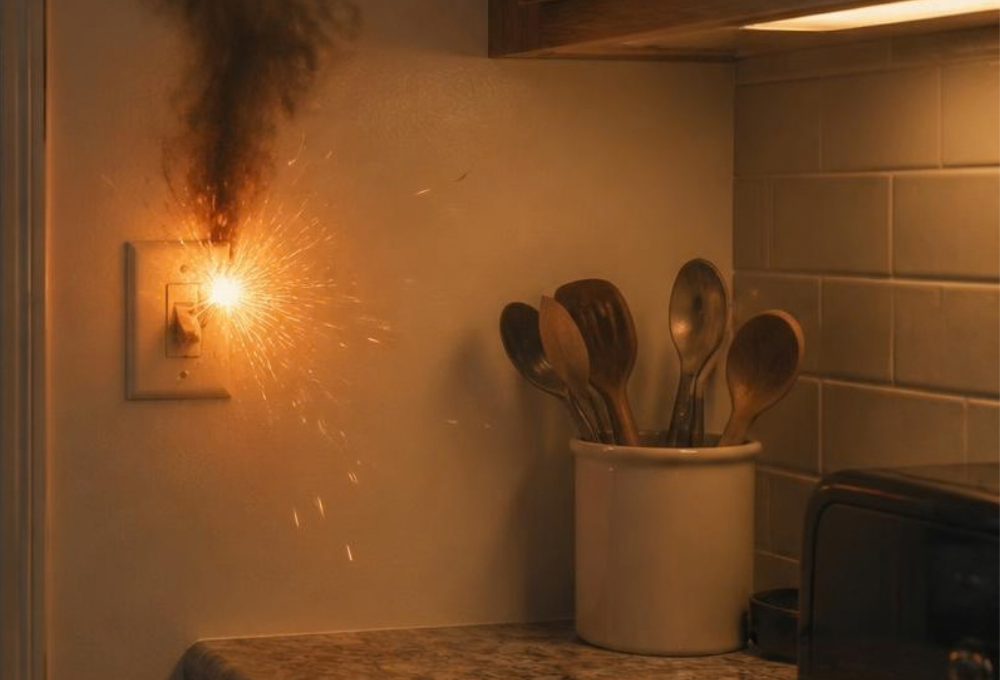
Before troubleshooting your water, check whether the smell is in the water or in the air. Gas utilities add a sulfur-like odor to natural gas so leaks can be detected. If you smell rotten eggs in the garage or closet near a gas water heater, even without running water, treat it as a possible gas leak. Leave the home, avoid using switches or anything that could spark, and call 911 or your gas utility’s emergency line from outside.
If the smell only appears when hot water is running, the cause is most likely inside the tank.
Hot Water Only or Hot and Cold?
Run cold water from a faucet for a minute and smell it. Then do the same with hot water.
- Only the hot water smells: The problem is almost certainly in the water heater.
- Both hot and cold smell: The issue may be in the water supply, a softener or filter, or the drains. A plumber can help narrow it down.
Sometimes the odor comes from a sink drain rather than the water itself. Fill a glass at the faucet and step away from the sink to smell it.
Why Hot Water Smells Like Rotten Eggs
Anode rod reaction
Most tank water heaters contain a sacrificial anode rod, often made of magnesium. Its job is to corrode so the steel tank doesn’t. When sulfate-reducing bacteria are present, the reaction with the anode can produce hydrogen sulfide, which creates the sulfur smell.
Stagnant water
The smell often shows up after a vacation, in a guest bathroom, or in a home that sat vacant. Water that sits in a warm tank for days gives bacteria time to multiply.
Low tank temperature
Setting the water heater very low to save energy can make the tank more hospitable to bacteria.
Sediment buildup
Las Vegas water is hard, and minerals settle at the bottom of the tank. Sediment can shelter bacteria and reduce how well the heater performs. A professional water heater flush removes that buildup.
How to Fix a Water Heater Rotten Egg Smell
1. Flush the tank
Draining and flushing removes sediment and some of the bacteria-laden water. On its own, flushing may reduce the smell only temporarily, but it’s an important first step.
2. Disinfect the tank
A plumber can treat the tank with a properly measured disinfecting solution, then flush it thoroughly. This targets the bacteria causing the odor. Because the wrong product or concentration can damage the tank or affect drinking water, this step is best handled by a professional.
3. Replace the anode rod
Swapping a magnesium anode for an aluminum-zinc anode, or for a powered anode, often solves recurring odor problems. Do not simply remove the anode rod. Without it, the tank can corrode much faster, and removing it may affect your warranty.
4. Adjust the water temperature carefully
Raising the temperature for a short period can help control bacteria, but very hot water creates a serious scald risk. Talk with your technician before changing settings, and return the thermostat to a safe setting afterward.
5. Consider the tank’s age
If your water heater is older, rusting, or leaking, treating the odor may not be worth the cost. Our guide on water heater repair vs. replacement can help you decide. Some homeowners use a replacement as a chance to switch to a tankless water heater, which doesn’t store water in a tank.
How to Prevent the Smell From Coming Back
- Flush the tank regularly. Hard water areas like Las Vegas benefit from more frequent flushing.
- Have the anode rod inspected during routine maintenance.
- Run hot water in rarely used bathrooms every week or two.
- After a long trip, run hot taps for several minutes before using the water.
Frequently Asked Questions
Is it safe to shower with water that smells like rotten eggs?
Low levels of hydrogen sulfide in water are generally considered a nuisance odor rather than a health hazard, but the smell signals a problem worth fixing. If you have health concerns, contact your water provider or a medical professional.
Why does my hot water smell after vacation?
Water sat in the warm tank long enough for bacteria to multiply. Running the hot water for several minutes may clear it. If the smell keeps returning, have the tank and anode rod checked.
Will a water softener cause a rotten egg smell?
Softened water can increase anode rod activity in some water heaters, which may contribute to odor. A plumber can recommend the right anode type for homes with softeners.
Get Fresh Hot Water Again
A rotten egg smell from your water heater is unpleasant, but it’s usually fixable with a flush, a tank treatment, and the right anode rod. Confirming the source first, and ruling out a gas leak, keeps the fix safe and targeted.
For help with odors, sediment, or an aging tank, schedule water heater service in Las Vegas with Champion Services. Call 702-896-0000 to set up an appointment.