How Overworked AC Systems Drive Up Energy Bills
How Overworked AC Systems Increase Energy Bills: Expert Insights and Solutions
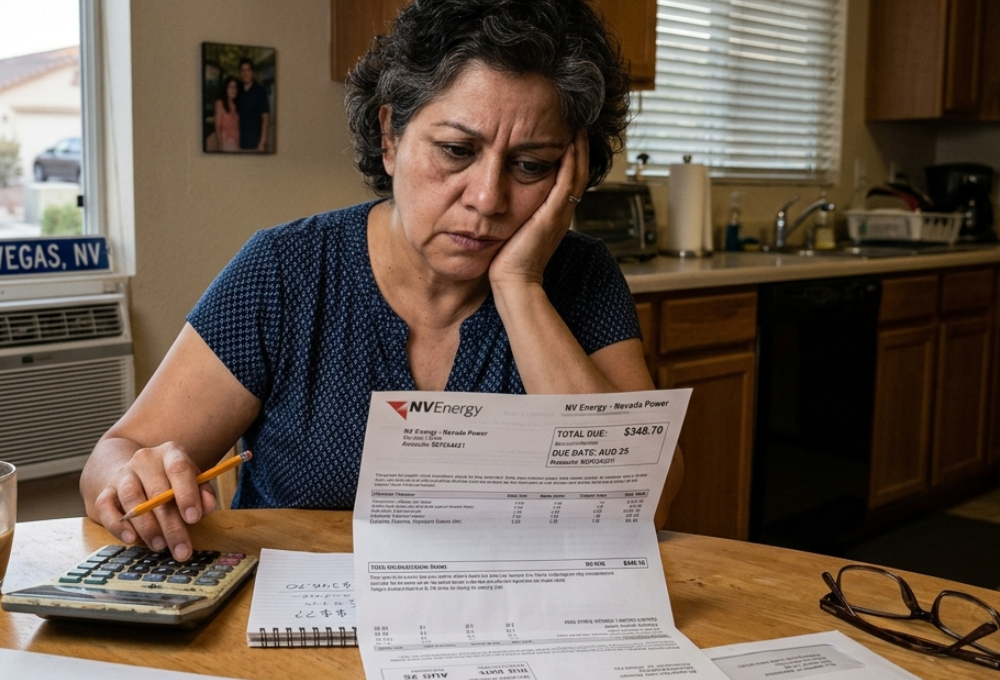
Overworked air conditioning (AC) systems can significantly drive up energy bills, leaving homeowners frustrated and financially burdened. Understanding the factors that contribute to this inefficiency is crucial for effective management and cost reduction. This article delves into how overworked AC systems lead to increased energy costs and offers practical solutions to mitigate these expenses. Homeowners will learn to identify signs of an overworked system, understand the relationship between AC efficiency and energy consumption, and discover maintenance practices that can enhance system performance. By addressing these issues, individuals can not only lower their energy bills but also extend the lifespan of their HVAC systems.
Causes of Increased Energy Costs:
Several factors contribute to higher energy costs associated with AC systems. Identifying these causes is the first step toward effective management.
- Dirty Filters: Clogged filters restrict airflow, forcing the system to work harder to maintain desired temperatures.
- Leaking Ducts: Duct leaks can lead to significant energy waste, as conditioned air escapes before reaching its intended destination.
- Malfunctioning Components: Issues such as faulty compressors or low refrigerant levels can increase energy usage, leading to higher bills.
Understanding these causes allows homeowners to take proactive measures to improve your AC system’s efficiency.
Research has specifically quantified the substantial energy losses that can occur due to duct leakage in air conditioning systems.
Potential Solutions:
Implementing effective solutions can help mitigate the increased energy costs associated with overworked AC systems. Here are some actionable strategies:
- Regular Maintenance: Scheduling routine maintenance can prevent issues before they escalate, ensuring the system operates efficiently.
- System Tune-Ups: Professional tune-ups can enhance system efficiency, reducing energy consumption and costs.
- Upgrading Equipment: Investing in energy-efficient AC units can lead to long-term savings on energy bills.
Champion Services, a Las Vegas-based home repair and maintenance company, specializes in HVAC services, including AC system repair, maintenance, and installation. By choosing local experts, homeowners can ensure their systems are running optimally, ultimately saving on energy costs.
What Are the Signs of an Overworked AC System?
Recognizing the signs of an overworked AC system is essential for timely intervention. Common indicators include:
- Increased Energy Bills: A sudden spike in energy costs can signal that the AC system is working harder than necessary.
- Frequent Cycling: If the AC frequently turns on and off, it may indicate inefficiency or overwork.
- Unusual Noises: Sounds such as grinding or hissing can suggest mechanical issues that need addressing.
Identifying these signs early can help prevent more significant problems and expenses down the line.
How to Identify Inefficient AC Performance and Increased Energy Consumption
Monitoring your AC system’s performance is key to identifying inefficiencies. Homeowners should:
- Monitor Energy Bills: Look for spikes in energy costs that may indicate increased consumption.
- Check for Frequent Cycling: If the system cycles on and off more than usual, it may be struggling to maintain temperature.
- Look for Inconsistent Cooling: Uneven cooling throughout the home can signal inefficiencies in the system.
By keeping an eye on these factors, homeowners can take action before issues escalate.
Common Symptoms Indicating AC System Overwork and Wear
Several symptoms can indicate that an AC system is overworked and in need of attention:
- Frequent Cycling: As mentioned, this can indicate inefficiency.
- Increased Energy Bills: A consistent rise in energy costs is a clear warning sign.
- Weak Airflow from Vents: Reduced airflow can suggest blockages or mechanical issues.
Recognizing these symptoms early can lead to timely repairs and maintenance, ultimately saving money.
How Does an Overworked AC System Drive Up Energy Bills?
An overworked AC system drives up energy bills through several mechanisms:
- Frequent Cycling: The more often the system cycles, the more energy it consumes, leading to higher bills.
- Dirty Filters: Clogged filters restrict airflow, causing the system to work harder to cool the space.
- Low Refrigerant Levels: Insufficient refrigerant can lead to inefficiency, as the system struggles to cool effectively.
Understanding these mechanisms can help homeowners make informed decisions about their AC systems.
Studies have quantified the direct correlation between proper refrigerant levels and an AC system’s energy efficiency.
The Relationship Between AC System Efficiency and Energy Consumption
The efficiency of an AC system directly impacts its energy consumption. Key points include:
- Higher SEER Ratings: Systems with higher Seasonal Energy Efficiency Ratio (SEER) ratings are more efficient and consume less energy.
- Inefficient Systems: Older or poorly maintained systems tend to consume more energy, leading to higher bills.
- Regular Maintenance: Routine maintenance can enhance system efficiency, reducing overall energy consumption.
By prioritizing efficiency, homeowners can significantly lower their energy costs.
Impact of AC Overwork on HVAC System Longevity and Costs
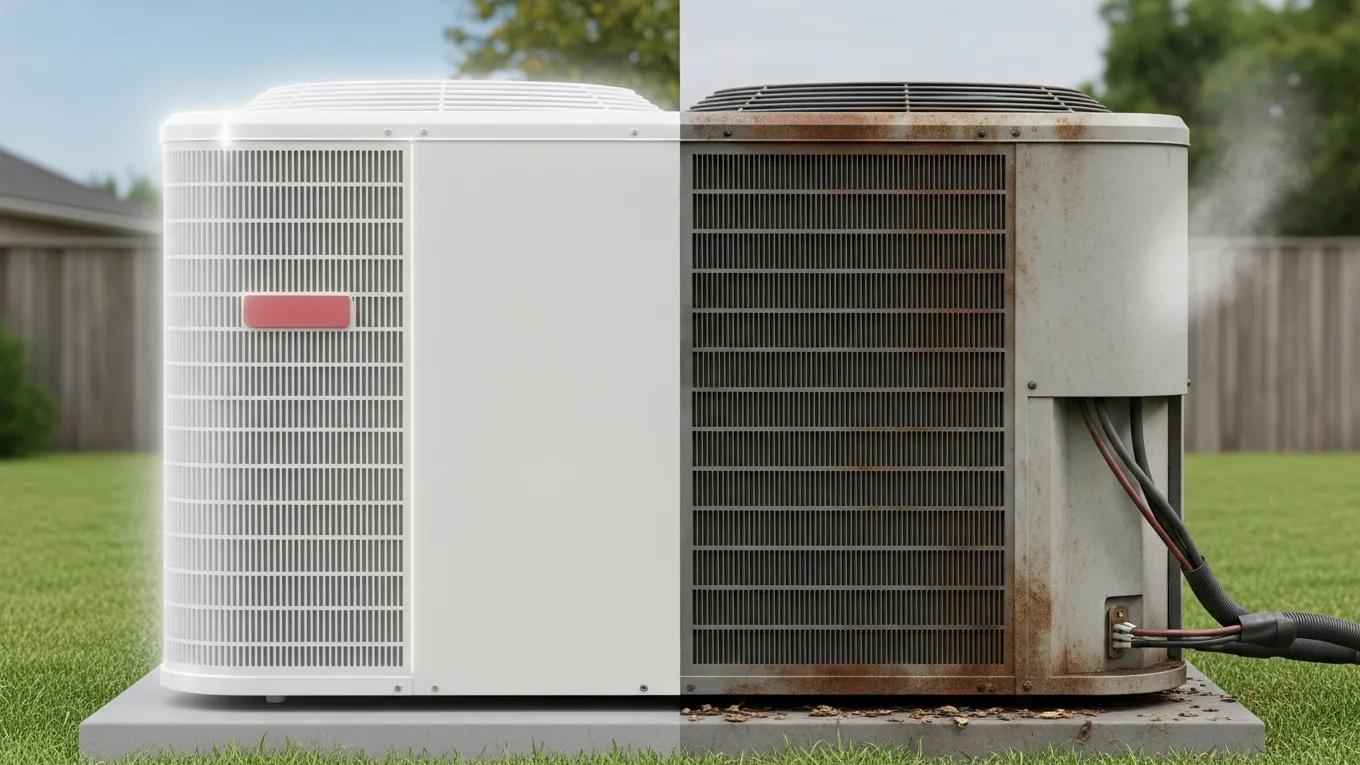
Overworking an AC system can have detrimental effects on its longevity and associated costs:
- Shorter Lifespan: Systems that are frequently overworked tend to have shorter lifespans, leading to more frequent replacements.
- Increased Repair Costs: Overworked systems often require more repairs, which can add up over time.
- Regular Maintenance Benefits: Implementing regular maintenance can extend the lifespan of the system and reduce repair costs.
Understanding these impacts can motivate homeowners to prioritize their AC system’s health.
What HVAC Maintenance Practices Reduce AC Energy Bills?
Implementing effective HVAC maintenance practices can help reduce energy bills significantly. Key practices include:
- Regular Filter Changes: Changing filters regularly improves airflow and system efficiency.
- Cleaning Coils: Keeping coils clean enhances heat exchange efficiency, reducing energy consumption.
- Sealing Ducts: Properly sealing ducts prevents energy loss, ensuring that conditioned air reaches its intended destination.
These practices not only lower energy bills but also enhance overall system performance.
Research further supports the significant impact of consistent AC maintenance on energy efficiency and cost reduction.
AC Maintenance: Boost Efficiency & Cut Energy Bills
Energy efficiency in air conditioning systems is a significant issue in the context of sustainability and energy consumption reduction. This study aims to analyze the impact of regular maintenance and servicing on the efficiency of air conditioner usage in energy savings. The results indicate that maintenance and servicing significantly improve energy efficiency, reducing energy consumption by up to 20%. These findings contribute to energy efficiency efforts and provide practical recommendations for air conditioner users to perform routine maintenance to reduce energy costs and support environmental sustainability.
Preventive Maintenance Tips to Improve AC System Efficiency
To improve AC system efficiency, homeowners should consider the following preventive maintenance tips:
- Schedule Routine Maintenance: Regular check-ups can identify and address potential issues before they escalate.
- Adjust Thermostat Settings: Setting the thermostat to a higher temperature when away can reduce energy consumption.
- Keep Outdoor Units Clear: Ensuring that outdoor units are free from debris allows for optimal airflow and efficiency.
By following these tips, homeowners can maintain their AC systems effectively and reduce energy costs.
Cost Savings Achieved Through Regular HVAC Service and Repairs
Regular HVAC service and repairs can lead to significant cost savings. Benefits include:
- Preventing Costly Repairs: Routine inspections can catch issues early, preventing expensive repairs down the line.
- Improving Efficiency: Regular maintenance enhances system efficiency, leading to lower energy bills.
- Extending System Lifespan: Well-maintained systems tend to last longer, reducing the need for premature replacements.
Investing in regular service can yield substantial long-term savings.
How Can Professional HVAC Services in Las Vegas Help Manage Energy Costs?
Professional HVAC services can play a crucial role in managing energy costs. Key benefits include:
- Regular Maintenance: Professionals can provide routine maintenance that keeps systems running efficiently.
- Emergency Services: Quick response to breakdowns can prevent further energy waste and costs.
- Energy Efficiency Upgrades: Professionals can recommend and implement upgrades that enhance system efficiency.
By utilizing local experts, homeowners can ensure their HVAC systems are optimized for energy savings.
Benefits of Choosing Local Experts for AC Maintenance and Repair
Choosing local HVAC experts for maintenance and repair offers several advantages:
- Understanding Regional Needs: Local experts are familiar with the specific climate and conditions that affect AC performance.
- Trust and Transparency: Working with local businesses often fosters a sense of trust and accountability.
- Promotional Discounts: Many local services offer discounts for maintenance plans, making it more affordable to keep systems in top shape.
These benefits highlight the value of supporting local businesses while ensuring optimal AC performance.
Available Discounts and Service Offers to Optimize HVAC Efficiency
Many HVAC service providers offer discounts and service offers that can help optimize efficiency. Common offers include:
- Discounts for New Customers: Many companies provide introductory discounts to attract new clients.
- Maintenance Plan Benefits: Regular maintenance plans often come with reduced rates for services.
- Referral Discounts: Homeowners can benefit from discounts by referring friends or family to the service provider.
Taking advantage of these offers can lead to significant savings while maintaining system efficiency.