Signs Your Home Is Overheating Even If the AC Is On: How to Identify and Resolve HVAC Cooling Issues
As temperatures rise, ensuring your home remains cool and comfortable becomes a priority. However, many homeowners face the frustrating issue of their air conditioning systems running yet failing to cool their homes effectively. This article will explore the signs that indicate your home is overheating, even when the AC is operational, and provide actionable strategies to address these HVAC cooling issues. By understanding the symptoms, common causes, and resolution strategies, you can take proactive steps to maintain a comfortable indoor environment. We will also discuss the importance of regular HVAC maintenance and when to seek professional help, particularly in the hot Las Vegas climate.
Symptoms of Overheating with AC Running
Identifying the symptoms of overheating in your home is crucial for timely intervention. When your air conditioning system is running but your home remains uncomfortably warm, it may exhibit several telltale signs.
- Strange Noises from the AC: Unusual sounds, such as grinding or hissing, can indicate mechanical issues that may hinder cooling efficiency.
- Poor Airflow from Vents: If the airflow from your vents is weak, it may suggest blockages or problems within the ductwork.
- Rising Humidity Levels Indoors: An increase in indoor humidity can signal that your AC is not effectively removing moisture from the air, contributing to a feeling of discomfort.
Recognizing these symptoms early can help you address the underlying issues before they escalate.
Common Causes of Cooling Issues
Understanding the common causes of HVAC cooling issues can help you troubleshoot effectively. Several factors can contribute to your home feeling hot despite the AC running.
- Dirty Air Filters: Clogged filters restrict airflow, making it difficult for your system to cool the air efficiently.
- Thermostat Problems: Malfunctioning thermostats can lead to incorrect temperature readings, causing the AC to underperform.
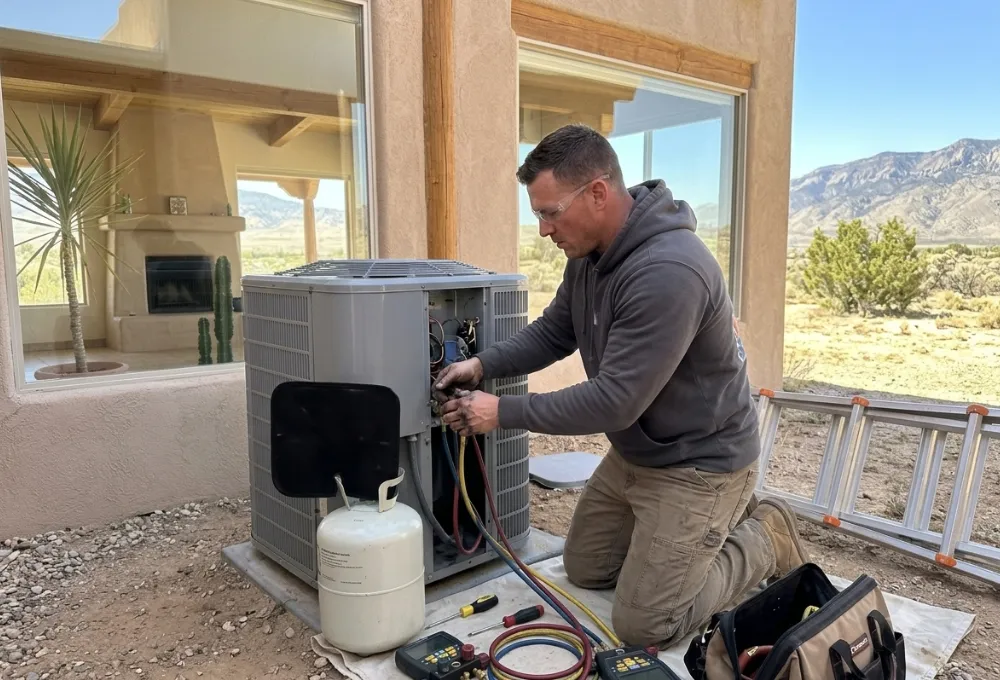
- Low Refrigerant Levels: Insufficient refrigerant can prevent your AC from absorbing heat effectively, leading to inadequate cooling.
By identifying these issues, you can take steps to rectify them and improve your home’s cooling performance.
Resolution Strategies
To resolve HVAC cooling issues, implementing effective strategies is essential. Here are some recommended actions to take:
- Regular Maintenance: Schedule routine maintenance checks to ensure your HVAC system operates efficiently and to catch potential issues early.
- Replace Filters: Change your air filters regularly to maintain optimal airflow and system performance.
- Professional Inspection: If problems persist, consider hiring a professional HVAC technician to conduct a thorough inspection and address any underlying issues.
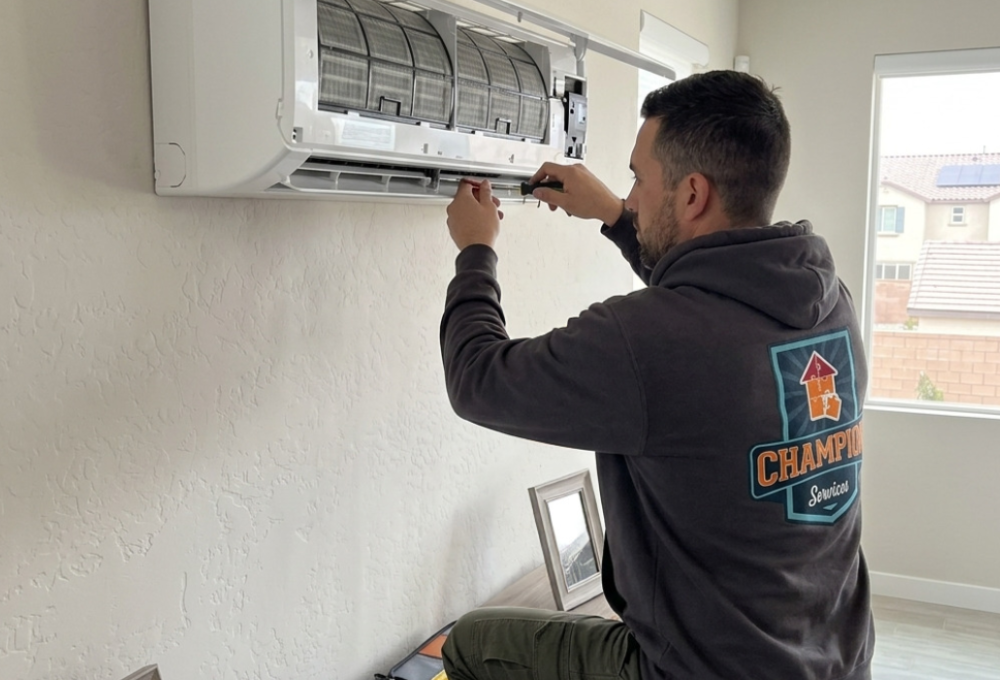
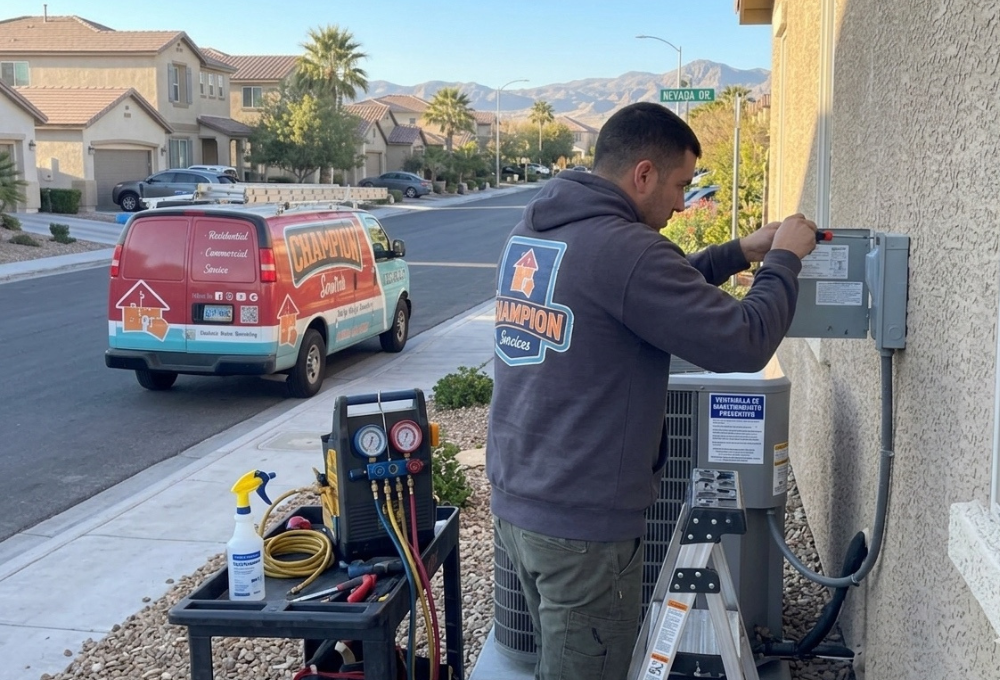
Champion Services, a Las Vegas-based home repair and maintenance company, specializes in HVAC services, including repair, maintenance, and installation. Their expertise can help ensure your system runs smoothly, especially during the hot summer months.
Why Is My House Hot Even With the AC Running?
Several factors can contribute to a home remaining hot despite the air conditioning system being operational.
- Dirty or Inefficient AC System: An AC unit that is not properly maintained can struggle to cool effectively, leading to discomfort.
- Thermostat Issues: If the thermostat is not calibrated correctly, it may not signal the AC to cool when needed.
- Ductwork Problems: Leaks or blockages in the ductwork can prevent cool air from reaching all areas of your home.
Research highlights the significant impact of residential duct leakage on HVAC efficiency and the potential for energy savings through sealing.
Residential Duct Leakage: Detection & Sealing for HVAC Efficiency
An analysis of residential HVAC ductwork has been performed. Ductwork in 55 homes in Northern Louisiana was tested to determine duct leakage by means of using various measurement techniques. A protocol to measure and estimate return leaks at operating pressure was developed. Annual energy savings by sealing duct leaks was determined using both REM/Rate™ and a new protocol developed by combining REM/Rate™ and ASHRAE™ 152.
Analysis and prediction of effectiveness for residential HVAC ductwork, 2007
Understanding these factors can help you pinpoint the cause of your discomfort and take appropriate action.
Common HVAC System Problems Leading to Home Overheating
Several HVAC system problems can lead to overheating in your home. Recognizing these issues can help you take corrective measures.
- Dirty Air Filters: As mentioned earlier, dirty filters can significantly reduce airflow and cooling efficiency.
- Low Refrigerant Levels: This can occur due to leaks or insufficient charging during installation, leading to inadequate cooling.
- Mechanical Failures: Components such as compressors or fans may fail, preventing the system from functioning correctly.
By addressing these common problems, you can improve your home’s cooling efficiency.
How to Diagnose If Your HVAC System Is Overheating
Diagnosing whether your HVAC system is overheating involves several steps. Here’s how to assess your system:
- Check Thermostat Settings: Ensure your thermostat is set to the desired temperature and functioning correctly.
- Inspect Air Filters: Look for signs of dirt and blockage in your air filters, which can impede airflow.
- Listen for Unusual Noises: Pay attention to any strange sounds coming from your AC unit, which may indicate mechanical issues.
Key Signs Your Air Conditioner Is Not Cooling Properly
Identifying key signs of AC malfunction can help you take action quickly.
- Insufficient Cooling: If the air coming from the vents is warm, it indicates a problem with the cooling process.
- Poor Airflow: Weak airflow can suggest blockages or mechanical failures within the system.
- Strange Noises: Unusual sounds can signal that components are failing or require maintenance.
Thermostat Issues That Affect Home Temperature Control
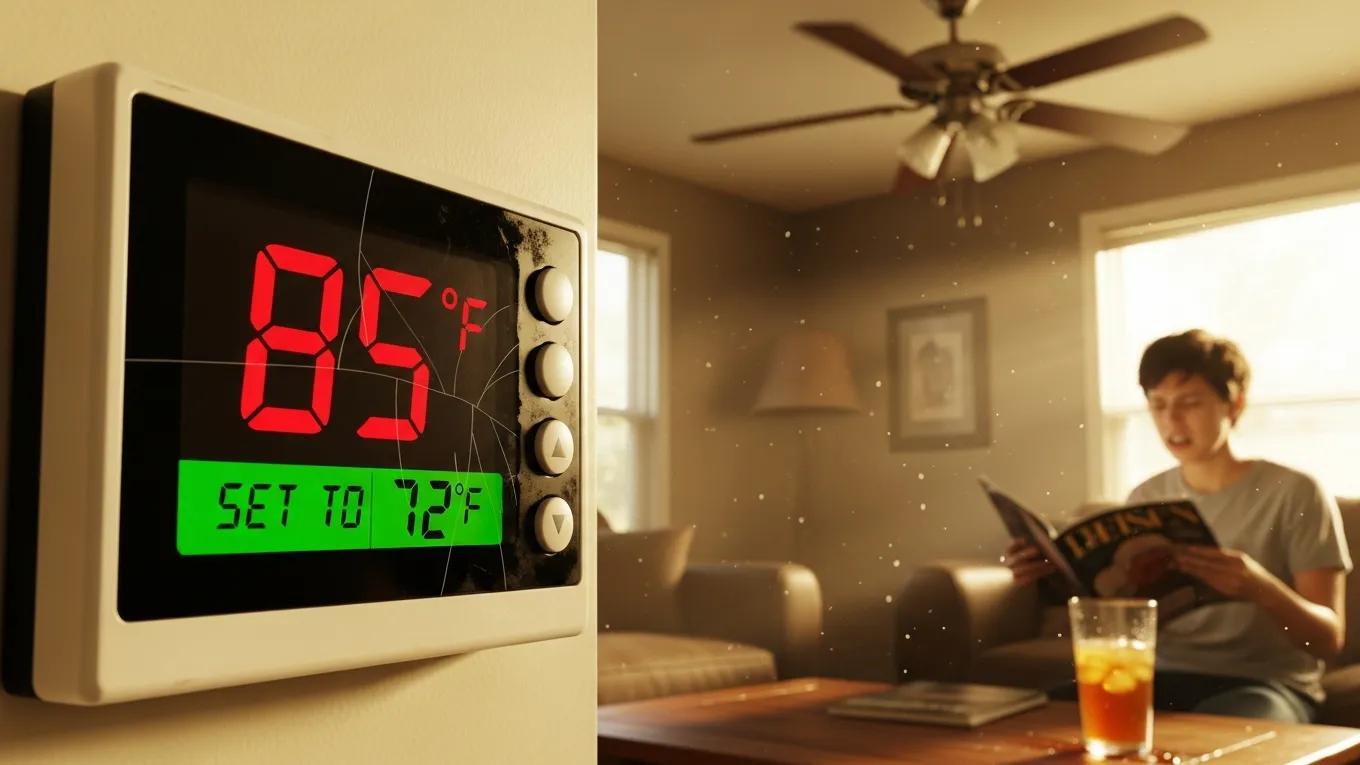
Thermostat issues can significantly impact your home’s temperature control.
- Unresponsive Display: If the thermostat does not respond to adjustments, it may need replacement.
- Inaccurate Temperature Readings: A malfunctioning thermostat may not reflect the actual temperature, leading to improper cooling.
- Incorrect Settings: Ensure that the thermostat is set to the cooling mode and programmed correctly.
What Maintenance Steps Prevent Your Home From Overheating
Preventing overheating in your home requires proactive maintenance. Here are some essential steps to consider:
- Regularly Check and Replace Air Filters: Keeping filters clean ensures optimal airflow and system efficiency.
- Seal Windows and Doors: Preventing air leaks can help maintain a consistent indoor temperature.
- Use Ceiling Fans: Ceiling fans can help circulate cool air and enhance comfort levels.
Importance of Regular HVAC System Maintenance in Las Vegas Climate
In the hot Las Vegas climate, regular HVAC maintenance is crucial for ensuring system efficiency and longevity.
- Cleaning Filters Regularly: This helps maintain airflow and cooling efficiency, especially during peak summer months.
- Seasonal Tune-Ups: Regular tune-ups can identify potential issues before they become significant problems.
- Duct Inspection: Ensuring that ductwork is free from leaks and blockages can improve overall system performance.
How Dirty Filters and Refrigerant Leaks Impact Cooling Efficiency
Dirty filters and refrigerant leaks can severely impact your HVAC system’s cooling efficiency.
- Reduced Airflow: Clogged filters restrict airflow, making it difficult for the system to cool effectively.
- Increased Energy Consumption: An inefficient system works harder, leading to higher energy bills.
- Potential System Damage: Prolonged issues can lead to significant damage, requiring costly repairs.
Research further emphasizes how refrigerant leakage directly contributes to reduced efficiency and potential system damage.
Refrigerant Leakage: Causes of Insufficient AC Cooling
Refrigerant leakage in refrigeration and freezing systems reduces efficiency and even results in reliable risks like insufficient cooling and component damage.
The impact of refrigerant leakage on the dynamic operating performance of R600a refrigerator systems, 2024
When Should You Call a Professional for Air Conditioner Repair in Las Vegas?
Knowing when to call a professional can save you time and money. Here are some signs that indicate it’s time to seek help:
- Weak Airflow: If you notice a significant drop in airflow, it may indicate a problem that requires professional attention.
- Warm Air Blowing: If your AC is blowing warm air, it could be a sign of refrigerant issues or mechanical failures.
- Strange Noises: Unusual sounds can indicate that components are failing and need immediate inspection.
Benefits of Expert HVAC Repair Services for Overheating Issues
Utilizing expert HVAC repair services can provide several benefits.
- Expertise and Experience: Professionals have the knowledge to diagnose and fix issues effectively.
- Cost-Effectiveness: Addressing problems early can prevent costly repairs down the line.
- Long-Term Benefits: Regular maintenance and timely repairs can extend the lifespan of your HVAC system.
By understanding the signs of overheating and the common causes of HVAC issues, you can take proactive steps to ensure your home remains comfortable, even in the heat of summer. Regular maintenance and timely repairs are essential for optimal performance, especially in a climate like Las Vegas. If you’re in need of HVAC services, consider reaching out to a trusted provider.