Cold weather can surprise homeowners, and one of the biggest risks during this season is frozen pipes. Many people do not think about their plumbing until it stops working, and this often leads to stress and costly repairs. When pipes freeze, water flow slows down or stops, and this can harm your home if not handled in time.
This problem grows fast because cold air reaches weak spots in your plumbing. Small gaps, poor insulation, or long, cold nights can push your pipes to freeze without warning. Many homeowners face this issue each year, and they want clear steps to prevent it.
In this guide, you will learn why pipes freeze, what signs to watch for, and simple steps to protect your home. You will also see quick fixes you can use when the problem appears.
Why Frozen Pipes Form During Cold Weather
Cold air lowers the temperature of the water inside your plumbing, and this slows the flow until the line becomes blocked. Pipes in unheated spaces feel the most pressure because the cold moves through these areas with ease. Spots like attics, crawl spaces, and outdoor walls freeze first, and this makes winter a risky time for many homes. When the water stops moving, it expands and puts strain on the pipe walls.
Poor insulation makes this problem worse. Older homes or homes with gaps in the structure face a higher risk each year. Cold air slips through these weak points and reaches water lines faster. This happens even in places with mild winters, and many families in Las Vegas experience issues when temperatures drop. Homes that struggle with winter plumbing often look for local handyman support in the area to handle small repairs that lower the risk.
Long, cold nights also push pipes toward freezing. When temperatures stay low for many hours, the water inside the line does not warm back up. This makes it easier for ice to form and block the system. These slow changes can happen without warning, so early prevention is important for every homeowner.
Signs That Show Your Pipes May Be Freezing
Frozen pipes often show early hints before they stop working. One of the first signs is slow water flow. The water may drip instead of run, or it may stop and start without reason. This change happens because ice begins to form inside the line. You may also hear small tapping sounds as the pipe reacts to the pressure from the cold. These early shifts help you spot the problem before it grows.
Cold spots on walls can also warn you. When icy air reaches the pipe, the surface near it becomes cold to the touch. This often happens in basements, attics, and rooms that do not stay warm. Some homeowners like to learn about the team behind the service before asking for help with issues like this. Knowing more about the people handling the work can make the process feel safe and clear.
Frost buildup is another strong sign. You may see ice forming on the outside of the pipe or around joints. This means the inside is already at risk. When you spot frost, you should act fast, because the pipe may soon freeze completely. Early action helps you avoid damage and supports safer plumbing during winter.
Simple Prevention Steps Every Homeowner Can Follow
You can lower the risk of frozen pipes by staying in your home. Even a small rise in temperature helps water move through the lines. Many families let warm air reach spaces under sinks by opening cabinet doors. This simple step keeps cold air from settling in. You can also let a small stream of water run during very cold nights, since moving water freezes more slowly than still water.
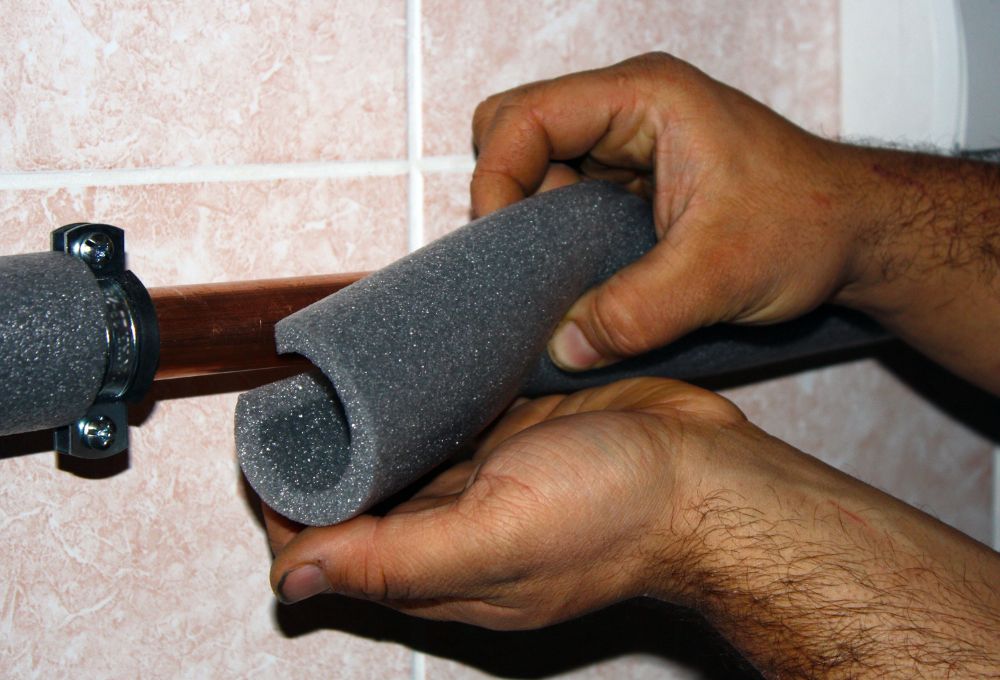
Insulation also plays a strong role in winter protection. Foam sleeves, pipe wraps, and sealing work help block icy drafts in weak areas. These upgrades help the most in basements, attics, and outer walls. Some homeowners review services that support home protection to see what fits their home. Insulation keeps cold air out and helps your pipes stay safe during long, cold nights.
Daily habits also help reduce risk. Checking weak spots, watching outdoor temperatures, and acting fast when early signs appear gives you more control. These simple steps strengthen your home and make winter easier to manage.
Cold weather brings steady pressure to your plumbing, but these small actions work well together. Warm air, insulation, and simple daily checks form a strong plan to keep your pipes safe through the season.
Safe and Quick Fixes for Frozen Pipes
You can use a few simple steps to thaw frozen pipes without causing harm. A safe way to start is to warm the area around the pipe with a gentle heat source. Many homeowners use a hair dryer or warm towels because these methods keep the pipe safe while slowly raising the temperature. This helps the ice melt without putting extra pressure on the line. You should avoid open flames, since they can damage the pipe or nearby surfaces.
You can also check areas that feel cold or show signs of frost. These spots often hold the ice that blocks the flow. Warming the air in these areas helps the water inside the pipe move again. Some homes face small repair needs during cold months, and families in Las Vegas often depend on local handyman support in the area when dealing with winter plumbing issues. This support helps reduce stress and keeps small problems from growing.
After thawing the pipe, you should watch it for a while to make sure it stays clear. Slow drips or small leaks can appear after the ice melts, and early action helps prevent damage. Steady checks during cold weather help you spot new risks before they grow. This simple routine keeps your plumbing safer throughout the season.
Final Steps to Protect Your Home From Frozen Pipes
Winter brings steady pressure to your plumbing, so clear habits help you stay ahead of problems. You can lower risk by watching temperature changes and checking weak spots often. Simple steps like keeping warm air moving and sealing gaps support safer pipes during long, cold nights. These habits keep your home in better shape throughout the season.
You can also plan for long-term care. Many families set up small upgrades over time, such as adding insulation or fixing old lines. These changes make a strong difference during cold months. Planning ahead gives you more control and helps you avoid sudden pipe issues. Clear routines also make winter easier because you notice early signs before they grow.
If you want help protecting your home from frozen pipes, you can contact us today. Our team can guide you through smart steps that keep your plumbing safe. With steady care and the right support, you can protect your home and move through winter with confidence.