No Heat in House in Las Vegas, NV
When there’s no heat in your house, indoor comfort can drop quickly—especially during cold desert nights. While Las Vegas is known for hot summers, winter temperatures can fall fast, and a heating system that suddenly stops working can become a serious problem. Whether your heater won’t turn on, is blowing cold air, or shuts off unexpectedly, a loss of heat should be addressed as soon as possible.
If your home has no heat at all, it’s often a sign of an electrical issue, equipment failure, or system safety shutdown. Prompt professional diagnosis helps restore warmth safely and prevents further damage to your heating system.
What “no heat” usually means
“No heat” can look different depending on your system type, but it typically includes one or more of the following:
- Heater will not turn on
- System turns on but blows cold air
- Heat works briefly, then shuts off
- Thermostat calls for heat but nothing happens
- Uneven heating or rapid temperature drops
Any of these situations indicate a problem that should not be ignored.
Common reasons there is no heat in your house
Thermostat problems
A malfunctioning thermostat can prevent your system from turning on or communicating correctly. Incorrect settings, dead batteries, wiring issues, or internal failure can all cause a loss of heat.
Electrical issues
Tripped breakers, blown fuses, or loose wiring can shut down a heating system entirely. Electrical faults are one of the most common reasons for sudden heat loss.
Ignition or pilot light failure
Gas furnaces rely on ignition systems to produce heat. If the pilot light goes out or the igniter fails, the system may stop heating as a safety measure.
Heat pump malfunctions
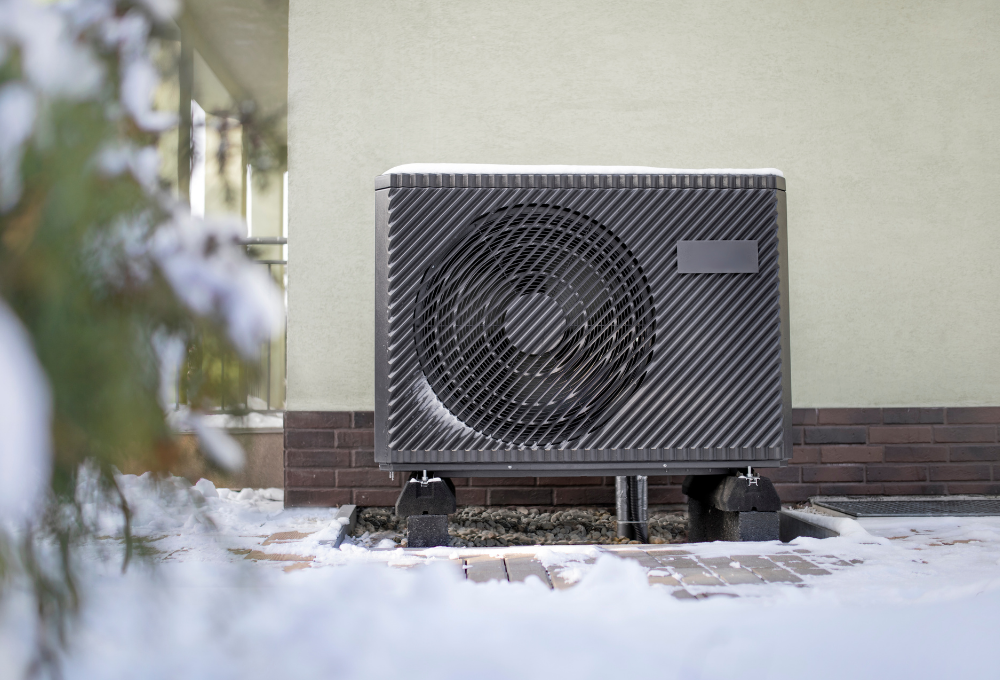
Heat pumps are common in Las Vegas homes. If the reversing valve, compressor, or defrost cycle fails, the system may stop producing heat altogether.
Blower motor failure
The blower motor moves warm air through your home. If it fails, heat may be generated but never reach your living spaces.
Safety shutdowns
Modern heating systems include safety sensors that shut the system down if unsafe conditions are detected. Overheating, airflow restriction, or component failure can trigger a shutdown that results in no heat.

Why no-heat issues happen in Las Vegas
Heating systems in Las Vegas face unique conditions:
- Long periods of inactivity before winter
- Sudden demand during cold snaps
- Dust buildup inside equipment
- Electrical stress during seasonal transitions
Many no-heat calls occur the first time the heater is used after months of inactivity, revealing worn or failing components.
What to check if your house has no heat
Before calling for service, you can safely check a few basic items:
- Confirm the thermostat is set to heat and the temperature is raised
- Check the breaker panel for tripped breakers
- Replace the air filter if it is dirty
- Ensure vents and returns are open and unobstructed
- Restart the system once after waiting a few minutes
If heat does not return, stop troubleshooting. Repeated resets or forcing the system on can cause further damage.

Warning signs that require immediate attention
Some symptoms indicate a potentially serious issue and should be addressed right away:
- Burning or electrical odors
- Loud banging, grinding, or popping noises
- Frequent system shutdowns
- Breakers tripping repeatedly
- Rapid temperature drops inside the home
- Carbon monoxide concerns
If you notice any of these signs, turn the system off and seek professional help immediately.
How professionals diagnose a no-heat problem
A proper diagnosis focuses on identifying the root cause of the heat loss. A trained technician will typically:
- Test thermostat operation and wiring
- Inspect electrical components and controls
- Check ignition systems and safety sensors
- Evaluate blower motor function and airflow
- Inspect heat exchangers or heat pump components
- Confirm system safety and performance
Accurate diagnosis ensures the correct repair is made without unnecessary part replacement.

Can no-heat problems be fixed quickly?
In many cases, yes. Common no-heat issues are often caused by:
- Electrical faults
- Ignition failures
- Thermostat problems
- Sensor or safety switch issues
These repairs can often be completed during the same visit. However, if major components have failed or safety issues are present, additional repairs or replacement may be necessary.
Repair vs replacement when there is no heat
When your house has no heat, the decision between repair and replacement depends on system condition.
Repair may be the right choice when:
- The system is relatively new
- The issue is electrical or control-related
- Major components are still in good condition
Replacement may be recommended when:
- The system is old and inefficient
- Repairs are frequent or costly
- Major components have failed
- Safety concerns exist
A professional evaluation helps balance immediate comfort with long-term reliability.
Preventing future no-heat emergencies
While not all heating failures are preventable, homeowners can reduce risk by:
- Scheduling seasonal heating maintenance
- Testing the system before cold weather arrives
- Replacing air filters regularly
- Addressing unusual noises or performance changes early
- Keeping vents and returns clear
Preventative care is especially important in Las Vegas, where systems sit unused for long periods.

Safety matters when your house has no heat
Heating systems involve electricity, gas, and high temperatures. Improper repairs or continued operation of a malfunctioning system can create serious safety risks. Professional service ensures repairs are made safely and correctly.
Get help fast when there’s no heat in your house
When your home has no heat, quick and professional service helps restore comfort and protect your family—especially during cold desert nights. Identifying and fixing the problem early prevents additional damage and costly repairs.
If your house has no heat in Las Vegas, professional diagnosis and repair are the safest and most effective way to get warmth back into your home.
Contact Form
"*" indicates required fields