

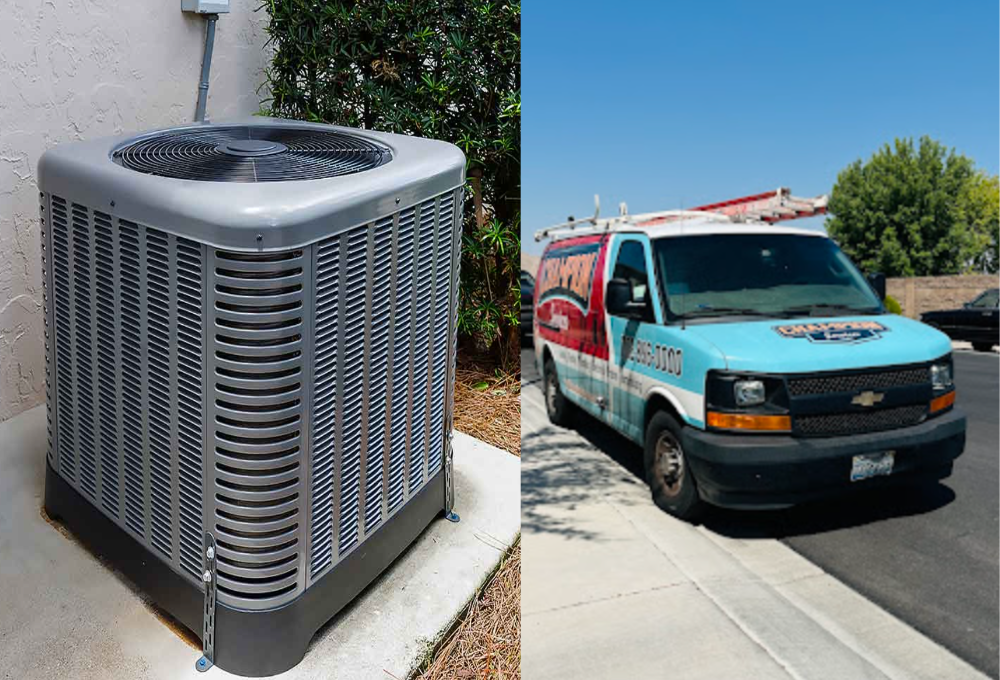
Trane Compressor Not Working in Las Vegas, NV
If your Trane air conditioner compressor is not working, your AC system cannot cool your home properly. In the extreme Las Vegas heat, a compressor problem can quickly become an emergency. The compressor is the core component of your air conditioning system, and when it fails or stops running, the entire cooling process breaks down.
Whether your Trane compressor won’t turn on, shuts off shortly after starting, or runs without producing cold air, the issue should be addressed immediately. Continuing to operate an AC with a non-working compressor can cause electrical damage, increase repair costs, and lead to complete system failure.
What the compressor does in a Trane AC system
The compressor is responsible for circulating refrigerant throughout your air conditioning system. It compresses refrigerant and moves it between the indoor evaporator coil and the outdoor condenser coil, allowing heat to be removed from inside your home and released outdoors.
When the compressor is not working:
- Refrigerant cannot circulate properly
- Heat remains trapped inside the home
- The system may run but fail to cool
- Other components are placed under excessive strain
Because of its critical role, compressor issues are among the most serious AC problems homeowners face.
Common reasons a Trane compressor stops working
Electrical issues
Electrical problems are one of the most common causes of compressor failure. These may include:
- Tripped breakers or blown fuses
- Faulty contactors or relays
- Loose or damaged wiring
- Voltage or power supply problems
Even small electrical issues can prevent the compressor from starting or running properly.
Failed start or run capacitor
Capacitors provide the electrical boost needed for the compressor to start and stay running. When a capacitor fails, the compressor may hum, click, or fail to start entirely.
Overheating and safety shutdown
Las Vegas temperatures put significant strain on air conditioning systems. Dirty coils, blocked airflow, or long run times can cause the compressor to overheat and shut down to protect itself.
Refrigerant problems
Low refrigerant levels, leaks, or contaminated refrigerant can prevent the compressor from operating correctly. These issues also increase wear and can lead to permanent compressor damage if not corrected.
Internal compressor failure
Over time, internal mechanical components inside the compressor can wear out. When internal failure occurs, the compressor typically cannot be repaired and must be replaced.
Warning signs your Trane compressor may be failing
Homeowners often notice early symptoms before a complete breakdown occurs. Common warning signs include:
- Warm air blowing from vents
- Outdoor unit running but no cooling
- Humming, buzzing, or clicking sounds
- AC starts then shuts off quickly
- Breaker trips when the system turns on
- Unusual vibrations or loud noises
- Ice forming on refrigerant lines
If you notice these symptoms, continuing to run the system can worsen the damage.
What to do if your Trane compressor is not working
If your Trane compressor stops working, you can safely try a few basic steps:
- Turn the thermostat off
- Wait several minutes to allow the system to reset
- Replace the air filter if it is dirty
- Make sure the outdoor unit is clear of debris
- Check the breaker once
If the compressor still does not start or the breaker trips again, do not continue resetting it. Repeated resets can damage the compressor and electrical components.
Why compressor problems are common in Las Vegas
Las Vegas creates one of the toughest environments for air conditioning systems:
- Extreme summer heat
- Long daily cooling cycles
- Heavy dust accumulation
- Accelerated wear on electrical components
These conditions increase the likelihood of overheating, electrical stress, and early compressor failure—especially when maintenance is delayed.
How professionals diagnose a non-working compressor
Proper diagnosis is critical before deciding on repair or replacement. A professional evaluation typically includes:
- Measuring voltage and amperage draw
- Testing start and run capacitors
- Inspecting wiring and electrical connections
- Evaluating compressor performance
- Checking refrigerant pressures and charge
- Determining whether the compressor can be repaired
This thorough process ensures the real issue is identified, not just the symptom.
Can a Trane compressor be repaired?
In some situations, yes. Compressor-related issues may be repairable when caused by:
- Faulty capacitors
- Electrical connection problems
- Contactor failures
- Airflow restrictions
- Refrigerant-related issues
However, if the compressor has internal mechanical damage, replacement is usually the only reliable solution.
Repair vs replacement: which makes sense?
The decision between repair and replacement depends on several factors, including system age and repair costs.
Repair may be the right option when:
- The system is relatively new
- The compressor itself is still functional
- The issue is electrical or airflow-related
- Repair costs are reasonable
Replacement may be the better choice when:
- The compressor has internal failure
- The system is older and inefficient
- Breakdowns are frequent
- Energy bills continue to increase
A professional assessment helps determine the most cost-effective solution.
Preventing future compressor problems
While not all compressor failures are preventable, homeowners can reduce risk by:
- Replacing air filters regularly
- Keeping the outdoor unit clean
- Scheduling routine AC maintenance
- Addressing unusual noises or performance issues early
- Avoiding repeated breaker resets
Preventative care is especially important in the Las Vegas climate.
Get professional help for Trane compressor issues
A Trane compressor not working is not a DIY repair. Electrical testing, refrigerant handling, and compressor evaluation require proper tools and training. Prompt professional service can prevent additional damage and restore reliable cooling faster.
If your Trane AC is no longer cooling your home, professional diagnosis is the safest and most effective next step.
Contact Form
"*" indicates required fields